
The Depot and Petroleum Products Marketers Association of Nigeria (DAPPMAN) welcomes the recent S&P Global Energy Report as a timely and valuable contribution to understanding the evolving dynamics of Nigeria’s downstream petroleum sector.
As the industry moves toward increased domestic refining capacity, independent market intelligence remains critical to informed decision-making, energy security, and price stability.
Against this backdrop, DAPPMAN offers the following perspectives on current market developments:
1. Supply Chain Resilience Requires Diversification
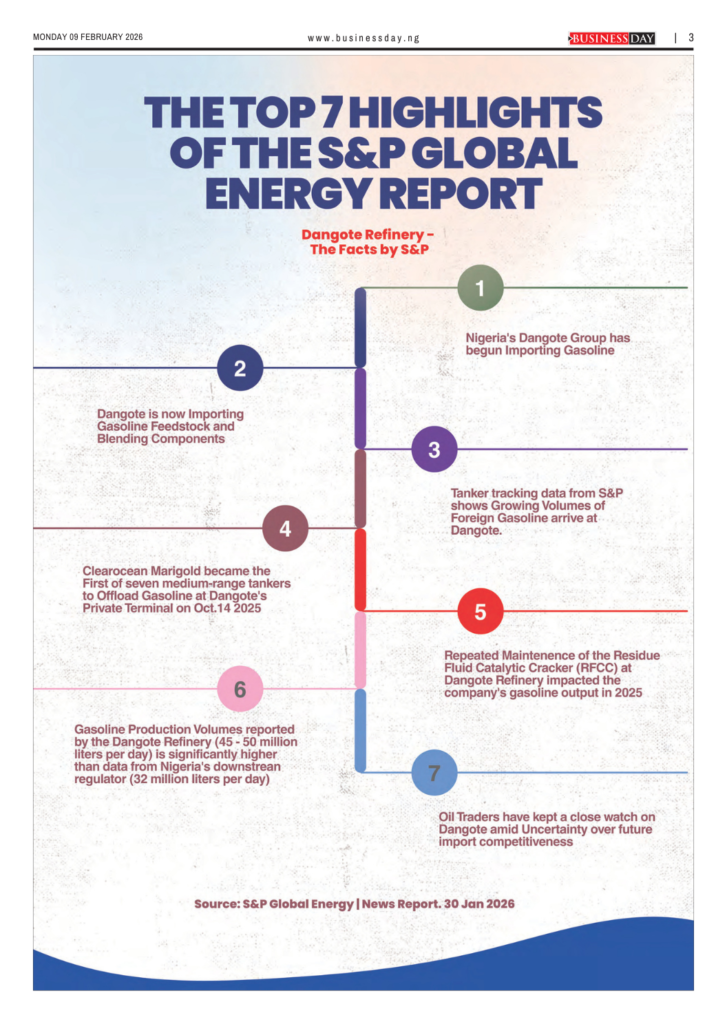
Independent data indicates that scheduled technical maintenance on the Residue Fluid Catalytic Cracker (RFCC) temporarily impacted output levels in early 2025. While such operational adjustments are expected in large-scale refining, they highlight an important reality: Nigeria’s energy security cannot rest on a single supply source, irrespective of scale.
DAPPMAN’s nationwide storage and distribution network representing over 2.1 million metric tonnes in capacity continues to provide vital buffer stock, helping stabilise supply during both planned maintenance and unforeseen disruptions.
2. Market Dynamics and Operational Realities
Recent vessel-tracking data confirms ongoing arrivals of refined products and blending components across terminals nationwide. DAPPMAN notes that blending operations and feedstock optimisation are standard global practices, particularly during ramp-up phases of major refining facilities.
The coexistence of domestic production and international product inflows should therefore be seen as complementary, not contradictory. Both remain essential to reliably meet Nigeria’s daily fuel demand of over 66 million litres.
3. The Importance of Clear and Consistent Data
Stakeholders have observed differences between publicly stated production figures and data published by the Nigerian Midstream and Downstream Petroleum Regulatory Authority (NMDPRA). DAPPMAN respectfully calls for regular, transparent reporting aligned with international best practices.
Accurate and reconciled data is critical for marketers to plan logistics, manage inventory, and maintain uninterrupted supply to retail outlets across the country.
4. Supporting a Competitive Market Framework
Sustainable price stability and supply security are best achieved through fair competition within a level regulatory environment. DAPPMAN advocates a framework in which all participants, refiners, importers, and marketers alike operate under consistent standards.
Such an approach promotes efficiency, encourages investment, and ultimately delivers better outcomes for Nigerian consumers through competitive pricing.
DAPPMAN's COMMITMENT
As an association responsible for approximately 60% of petroleum product distribution nationwide, DAPPMAN remains fully committed to working with domestic refiners, regulators, and government institutions to ensure that growing local refining capacity delivers real benefits at fuel stations across Nigeria.
We look forward to continued collaboration as the country builds a transparent, resilient, and robust petroleum products market that serves the needs of all Nigerians.
Credit: Business Day